Mindset — Carol S. Dweck
Summary in 15 minutes. You hold a quiet belief about your own abilities, and it runs more of your life than you think. The myth of natural talent, lessons from sport, and the hidden trap in praise. Business, relationships and education: where mindset quietly decides success or failure. Mindset isn’t permanent. By learning, noticing and practicing, you can move from fixed toward growth. You’ve finished reading. Now turn your mind toward growth, one small step at a time.
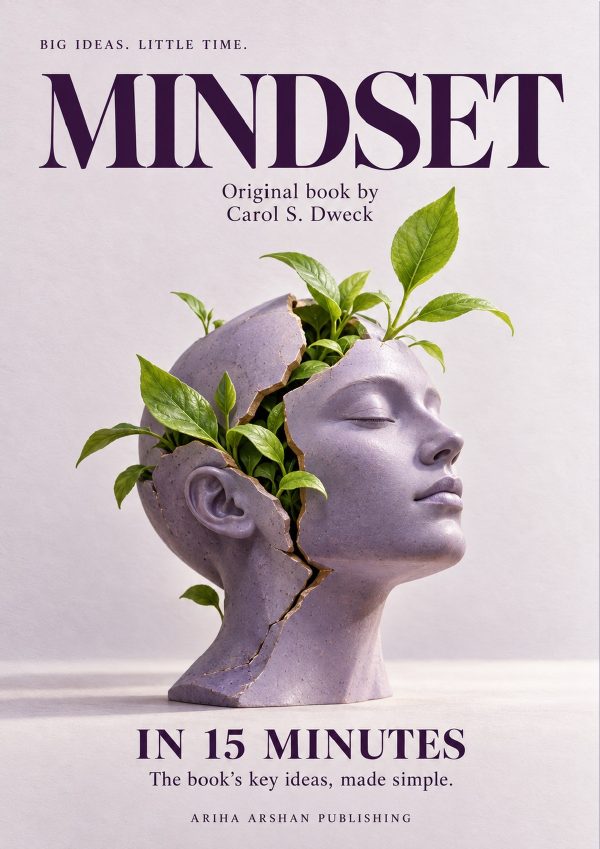
Key ideas of "Mindset: The New Psychology of Success"
Two Kinds of Mind
You hold a quiet belief about your own abilities, and it runs more of your life than you think.
- Fixed Mindset vs. Growth Mindset: One belief, two lives
- Mistakes: Failure or Lesson?: What the brain chooses to hear
Talent and Praise
The myth of natural talent, lessons from sport, and the hidden trap in praise.
- The Myth of Talent: Geniuses worked hard too
- On the Sports Field: The mind of a champion
- The Praise Trap: Why “You’re so smart!” backfires
Three Arenas of Life
Business, relationships and education: where mindset quietly decides success or failure.
- Business and Leadership: The danger of a “talent culture”
- Relationships: There’s no such thing as a perfect fit
- Parents and Teachers: “Not yet”: the power of two words
Minds Can Change
Mindset isn’t permanent. By learning, noticing and practicing, you can move from fixed toward growth.
- The Brain Is Like a Muscle: The brain changes as you learn
- Your Fixed-Mindset Persona: Give your inner critic a name
- After a Setback: Talk back to the inner voice
Put It to Work
You’ve finished reading. Now turn your mind toward growth, one small step at a time.
- The 7-Day Mindset Plan: One task a day. Tick it off when done.
- One-Page Cheat Sheet: The whole book at a glance
- Final Word — The Joy of Learning: Growing, not proving
From the free first chapter
For decades, Stanford psychologist Carol Dweck chased one question: why do some people fall apart after failure while others seem almost to relish it? Her answer is mindset, the basic belief a person holds about their own abilities.
Read the first chapter free · Price: ৳250 · or every book with a membership
Common questions
What is "Mindset: The New Psychology of Success" about?
You hold a quiet belief about your own abilities, and it runs more of your life than you think. The myth of natural talent, lessons from sport, and the hidden trap in praise. Business, relationships and education: where mindset quietly decides success or failure. Mindset isn’t permanent. By learning, noticing and practicing, you can move from fixed toward growth. You’ve finished reading. Now turn your mind toward growth, one small step at a time.
What are the key ideas of "Mindset: The New Psychology of Success"?
Fixed Mindset vs. Growth Mindset; Mistakes: Failure or Lesson?; The Myth of Talent; On the Sports Field; The Praise Trap; Business and Leadership; Relationships; Parents and Teachers; The Brain Is Like a Muscle; Your Fixed-Mindset Persona; After a Setback; The 7-Day Mindset Plan.
Who wrote "Mindset: The New Psychology of Success"?
Carol S. Dweck.
How long does the Gistbook summary take to read?
About 15 minutes. It is available in English and Bangla, and the first chapter is free.